
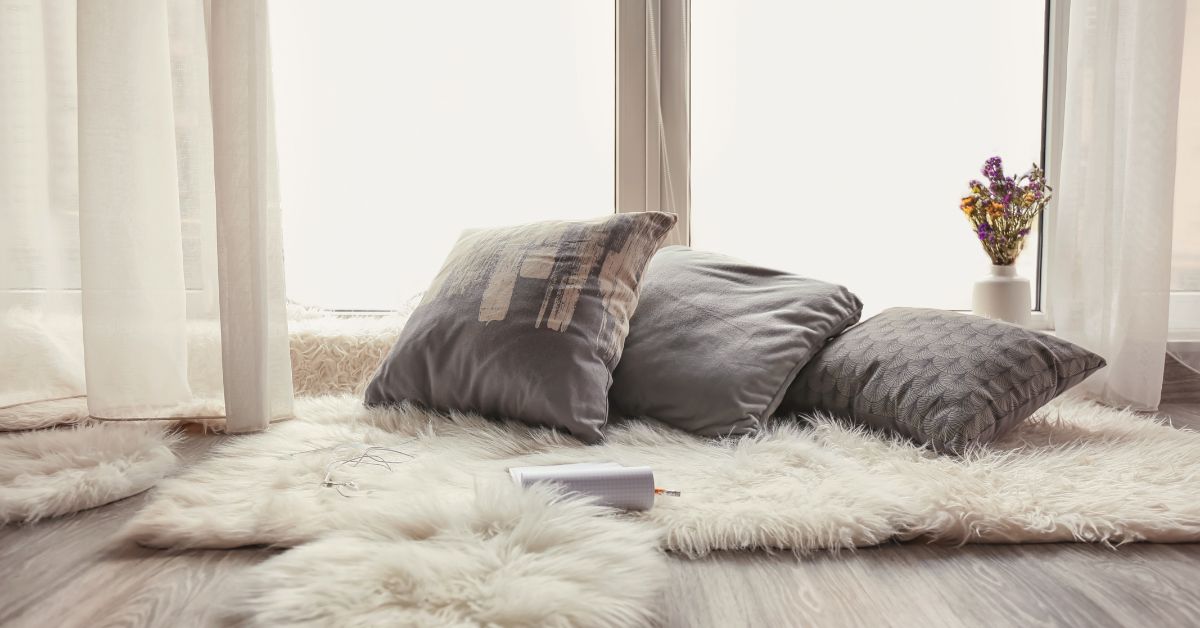
Rugs and floor coverings do more than just protect your floors—they define spaces, add texture, enhance comfort, and reflect your personal style. Choosing the right rug can completely transform a room, whether it’s a cozy living room, a functional home office, or a stylish dining area. In this ultimate guide, we’ll cover everything you need to know to select the perfect rugs and floor coverings for every room in your home.
1. Understand the Purpose of Your Rug
Before buying a rug, consider its main function:
- Define a space: Use rugs to anchor seating areas in living rooms or dining rooms.
- Add comfort: Soft rugs are ideal for bedrooms and home offices.
- Protect floors: Durable rugs help preserve hardwood, tile, or laminate surfaces.
- Enhance style: Rugs can be a statement piece or complement your existing home accents.
Expert tip: Match the rug’s function with the room’s needs to ensure it’s both practical and stylish.
2. Measure Your Space Correctly
Size matters when it comes to rugs:
- In living rooms, leave 18-24 inches of bare floor around the rug edges.
- Under dining tables, allow enough space for chairs to move without catching the rug.
- In bedrooms, choose rugs that extend at least 24 inches beyond the bed frame for a balanced look.
Pro tip: Draw the rug dimensions on the floor with painter’s tape to visualize placement before purchasing.
3. Choose the Right Material
Material affects comfort, durability, and maintenance:
- Wool: Soft, durable, and naturally stain-resistant—great for living rooms and bedrooms.
- Cotton: Lightweight and washable—perfect for casual areas or kids & nursery spaces.
- Synthetic fibers (polypropylene, nylon): Affordable, stain-resistant, and ideal for high-traffic areas like kitchens & dining.
- Natural fibers (jute, sisal, seagrass): Textured and eco-friendly, best for low-traffic zones.
Tip: Consider the room’s use and traffic level before selecting a material to ensure longevity.
4. Select a Style and Pattern
Your rug sets the visual tone of the room:
- Traditional: Rich patterns and colors add warmth and character.
- Modern: Geometric patterns or abstract designs create a contemporary feel.
- Minimalist: Solid colors or subtle textures complement neutral interiors.
- Layered rugs: Combine sizes and textures for a stylish, cozy effect.
Expert insight: Coordinate rugs with home accents, home textiles, and wall art to create a cohesive design.
5. Consider Color and Texture
Color and texture impact the mood of a space:
- Light colors make small rooms feel larger, while dark colors add coziness to large spaces.
- Mix textures—like a plush rug over a flat-weave—to add depth and interest.
- Incorporate seasonal & holiday color accents for a dynamic, evolving decor style.
Tip: Use a rug to introduce pops of color or tie together existing room colors.
6. Prioritize Maintenance and Cleaning
Practicality is key for long-term use:
- Vacuum regularly to prevent dirt buildup.
- Spot clean spills immediately to avoid stains.
- Choose machine-washable rugs for areas like kids’ & nurseries or home offices.
Pro tip: Rotate rugs periodically to even out wear and extend lifespan.
7. Complement Your Entire Home Decor
Rugs should enhance, not compete with, your decor:
- In living rooms, layer rugs with lighting & lamps, furniture, and home accents for a cohesive look.
- In kitchens & dining areas, use durable, easy-to-clean rugs to balance style with function.
- Match bedroom rugs with home textiles like bedding and curtains to create harmony.
Expert insight: Rugs are one of the easiest ways to tie a room together while adding warmth, style, and comfort.
Find the Perfect Rug for Every Room
Choosing the perfect rug or floor covering requires careful consideration of size, material, style, and maintenance. Key takeaways:
- Understand the purpose of your rug before buying.
- Measure your space accurately to ensure proper fit.
- Select materials and textures suited to the room’s function.
- Match rugs with your existing home accents, home textiles, and lighting & lamps for a cohesive look.
Start with one key piece—a statement rug in the living room, a soft rug for your bedroom, or a durable rug for your kitchen & dining area—and transform your space instantly.
If you found this guide helpful, share this post with friends or subscribe to our newsletter for more expert tips on home decor, seasonal trends, and home improvement ideas.
0 Comments